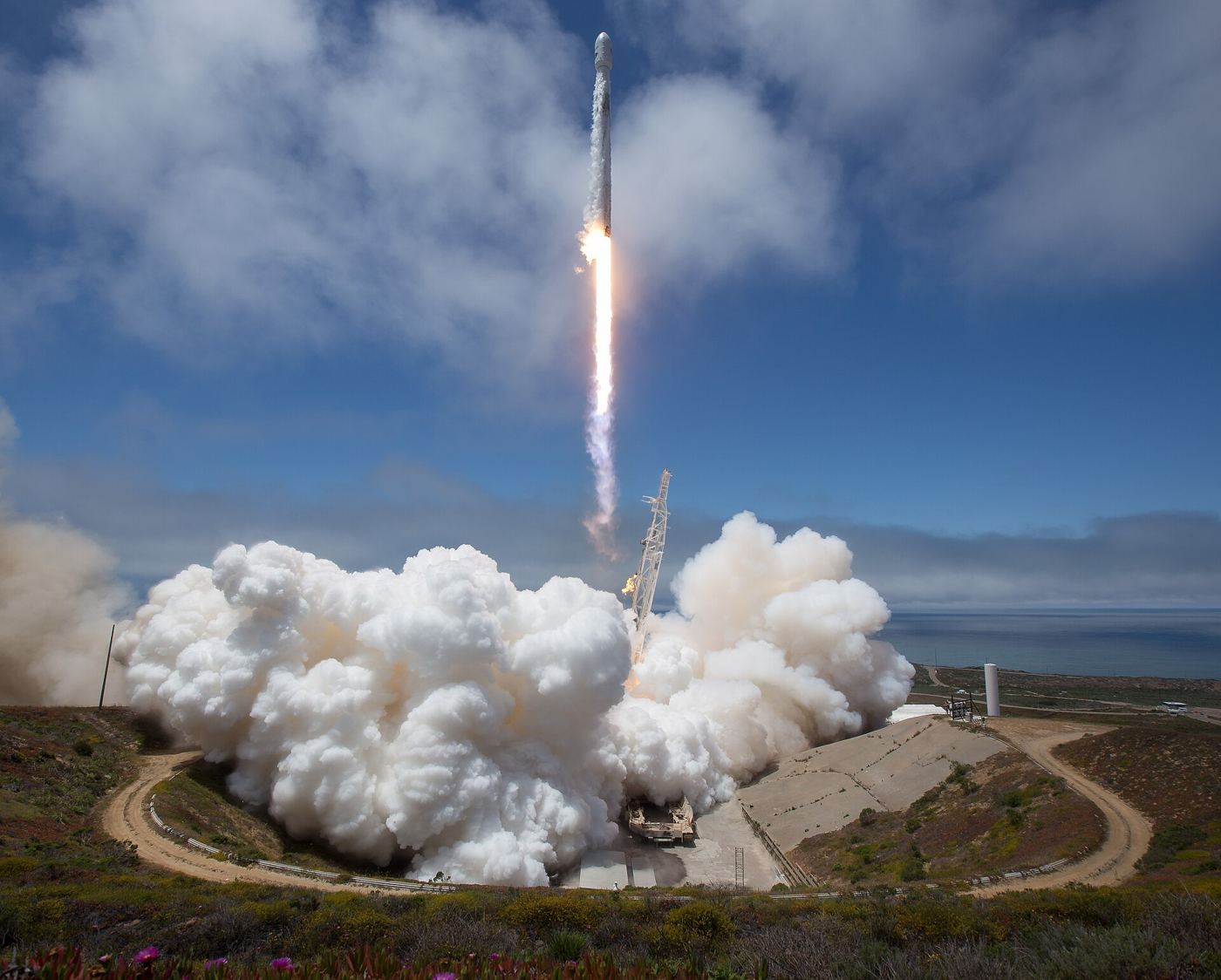
A Falcon 9 is carrying 27 Starlink satellites. They are small radio stations that stay in space and help the internet reach houses, ships, and farms that do not have a cable in the ground. The bottom of the rocket tries to fly home and land so it can be used again.
SpaceX is flying a Falcon 9 from Space Launch Complex 4E, Vandenberg SFB, CA, USA. Mission: Starlink Group 15-21. A batch of 27 satellites for the Starlink mega-constellation - SpaceX's project for space-based Internet communication system. Planned orbit: . Booster Unknown F9. The Falcon 9 will land on OCISLY after its flight. Status: To Be Determined. Current date is a placeholder or rough estimation based on unreliable or interpreted sources. The published time can still slip. Rockets wait for weather, boats, and the range.
Story written from the public listing. A model key can be added later; none is required.
From here
Too far to see
You will not see this rocket from Centennial, Colorado. It is about 930 miles west. The broadcast is the view.
That is too far for the flame and, for almost every launch, too far for the high-altitude plume. Dim the lights and watch together anyway. The clock is still loose, so daylight is a guess.
Timeline
Calls on the clock
GO for Prop Load
Launch director verifies go for load
Prop Load
Start of propelland loading
Load
Start of loading in the
Load
Start of loading in the
Engine Chill
Start of engine chilling
Startup
The onboard computer takes control over the countdown and runs last checks
Questions stay with this launch. If a model key is configured on the server, the answer is cached. Without a key, the reply is taken straight from the record.
Put it on a calendar
So the slip still finds you
A single launch can be saved now. The subscribe feed, on the launches page, is the one that moves when a rocket slips. Calendar alarms do not know about bedtime quiet hours.